

Useful resources for employers
Listen to the podcast
Top tips & links
Managing anxiety
Life can sometimes feel fast, noisy and constantly changing. With more technology around, the heavy news landscape, and increasing demands on our time, it’s easy to feel under pressure. Looking after your mental health isn’t a luxury. It’s part of staying healthy, resilient and able to cope with everyday challenges at work and at home.
Anxiety is common and understanding it can help us recognise the signs in ourselves and others, so we’re better able to support colleagues, friends and family, and to know where to find support.
This topic will help you understand what anxiety is, recognise common triggers – including in the workplace – and explore ways to reduce feelings of anxiety.
You’ll find helpful tips, links to external support and a short 10 min podcast. You can also download a factsheet and a poster to share the resources with your colleagues.
Small changes in how we work, communicate and support each other can make a real difference.
Did you know?
Everyone feels anxious at times, it’s a normal human response to pressure, change or uncertainty. Here’s some recent UK data which shows just how common anxiety has become.
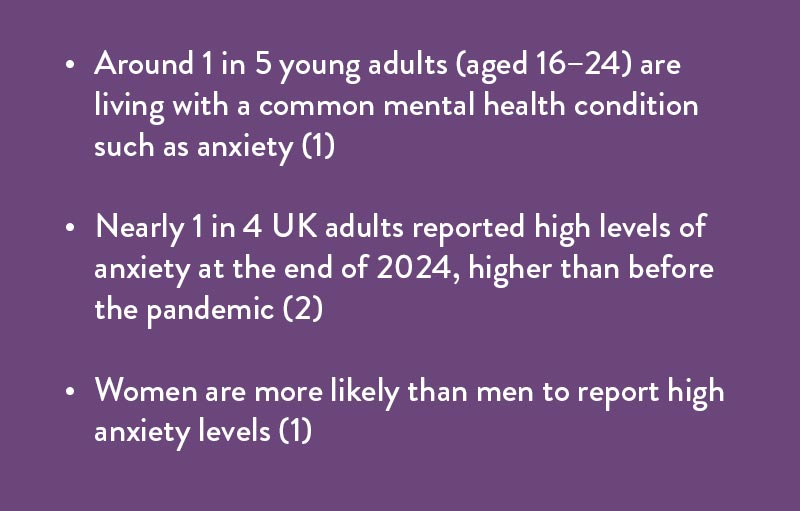
Sources: Digital NHS UK (1) and Office for National Statistics (ONS), 2024–2025 data (2).
Podcast: Managing and understanding anxiety
- What anxiety is and why it is normal
- What to look out for – common triggers
- Work pressure and what we can do
- Creating psychological safety
- Where to go for support
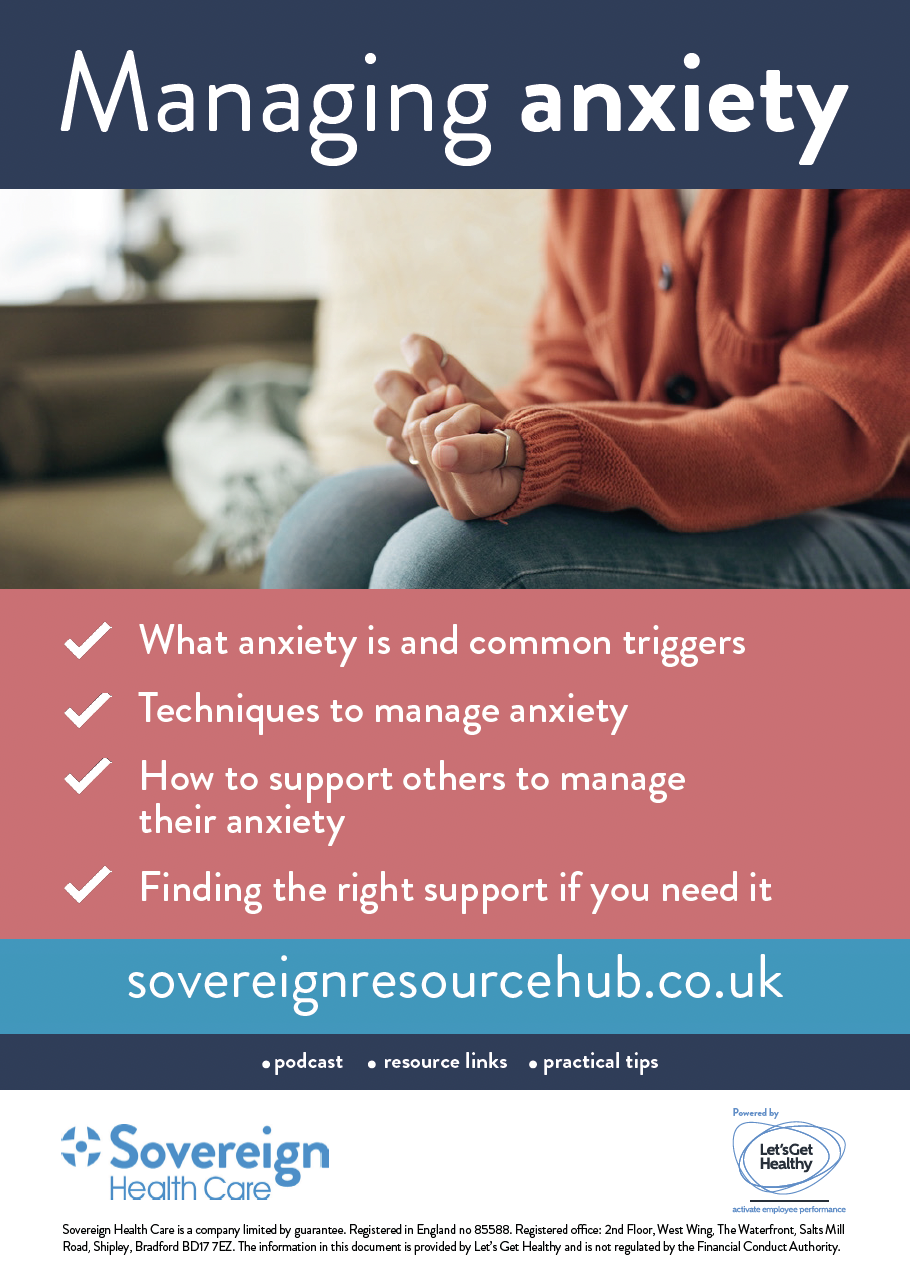
A poster and factsheet to use in your organisation
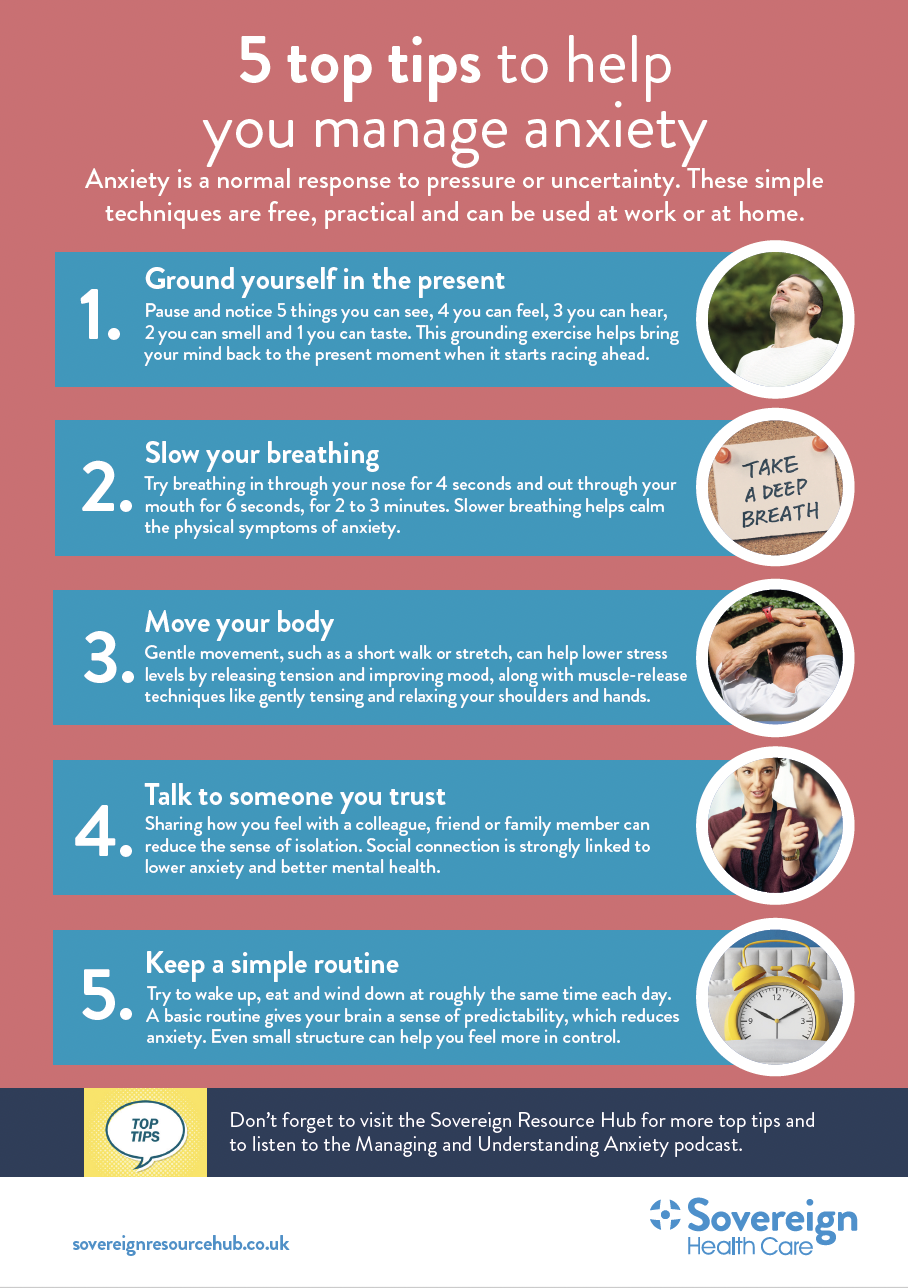
Here’s a factsheet of practical tips to help reduce anxiety; along with a poster. Feel free to download and share, print and display them, or email them to your employees.
If anxiety feels familiar, you’re not alone. Anxiety is common, and there are practical ways to help manage it.
What is anxiety?
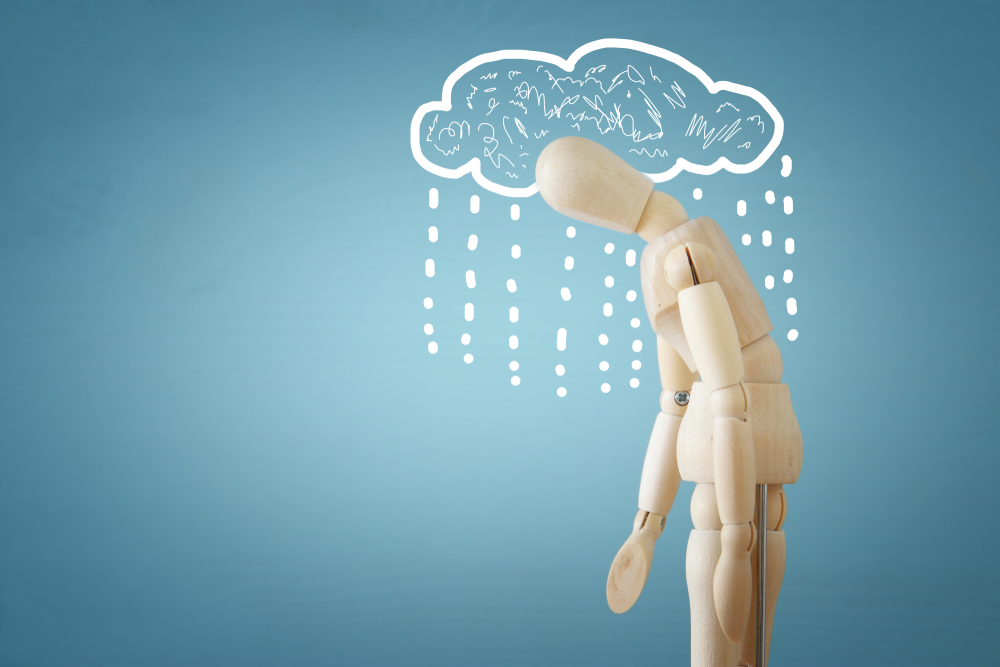
Anxiety is a natural response to stress or uncertainty. It often shows up as feelings of worry, tension or unease when something feels challenging or unpredictable.
Everyone experiences anxiety at some point. It becomes a problem when it feels constant, overwhelming and hard to manage, or when it starts to interfere with everyday life.
Anxiety is linked to the body’s natural fight, flight or freeze response. When something feels overwhelming, our nervous system reacts automatically, which can show up as tension (fight), avoidance (flight), or feeling stuck or unable to think clearly (freeze). These responses are normal, but if triggered often by everyday pressures, anxiety can feel harder to manage.
Common triggers of anxiety
Most anxiety is linked to everyday pressures. Some common triggers include:
- Work and job pressure such as heavy workloads, tight deadlines or worries about job security
- Financial strain including money worries, debt or rising living costs
- Stressful life events such as planning major events (a wedding, moving house), unexpected accidents or sudden changes in our routines (children starting school, new job)
- Social and performance pressure including fear of failure, presentations or high expectations from those around us
- Relationship or family difficulties, including caring for children and elderly parents, which can increase feelings of worry
Work pressures and anxiety
Work related pressure is one of the most commonly reported triggers for anxiety. Colleagues can make a real difference by noticing signs of stress and anxiety in themselves and others and responding early.
Small, practical changes can help reduce the feeling of being overwhelmed:
- Break tasks into smaller, time limited steps to make work feel more achievable – Why not take a look at the Pomodoro Technique on the Beating Burnout topic to help with this
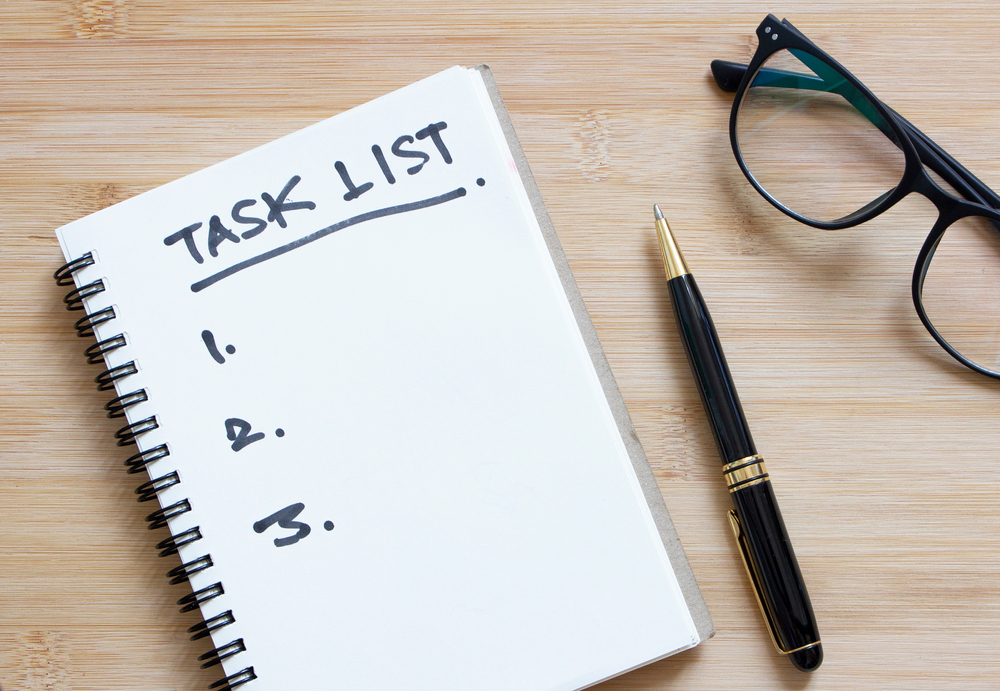
- Use written task lists to reduce mental overload
- Focus on one task at a time where possible
Create psychological safety and clarity
Anxiety decreases when people feel safe to speak up and ask for support. Small shifts in language, behaviour and clarity can help create psychological safety and reduce employee anxiety. Ways to encourage calm, clear conversations include
- Use non-judgemental language
- Ask open questions such as “What would help right now?”
- Avoid minimising phrases like “just relax” or “it will be fine” “calm down”
- Encourage gentle self-thought checking such as “What evidence supports this worry?”
As a manager:
- Give advance notice of work changes where possible
- Set clear expectations and realistic deadlines
- Provide written follow ups after meetings or updates

Tips to help reduce anxiety
There are a range of different tips that can be used if you are feeling too anxious. These can be done at home or at work:
- Ground yourself in the present
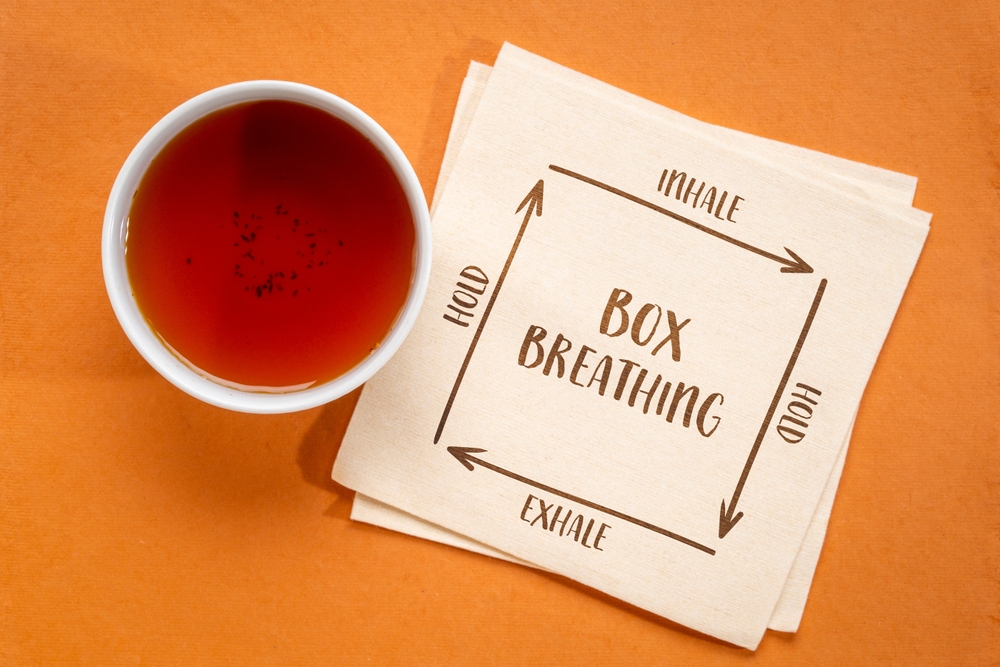
- Slow your breathing
- Move your body
- Talk to someone you trust
- Keep a simple routine
For more information on the techniques mentioned above, take a look at the factsheet
Additional support and resources
If anxiety is affecting your day-to-day life, you don’t have to manage it on your own. Free, trusted support is available.
NHS anxiety help & advice
Overview & self-help tips for anxiety, fear and panic, with actionable ideas you can try yourself.
https://www.nhs.uk/mental-health/feelings-symptoms-behaviours/feelings-and-symptoms/anxiety-fear-panic
Every mind matters
Build a free personalised Mind Plan for stress, anxiety, sleep and coping skills. Includes weekly email support options focused on anxiety reduction.
https://www.nhs.uk/every-mind-matters
NHS Talking Therapies
NHS psychological services offer free access to talking therapies (including CBT) for anxiety and depression, often via self-referral through NHS talking therapies services.
https://www.nhs.uk/nhs-services/mental-health-services